
Exploring the psychological impact of gambling on decision-making processes
The Nature of Gambling and Its Psychological Underpinnings
Gambling is often perceived as a game of chance, yet its psychological dimensions are far more intricate. At its core, gambling appeals to our cognitive biases and emotional states, leading to decisions that may not be entirely rational. The thrill of risk-taking activates the brain’s reward system, releasing dopamine and creating a sense of euphoria. This response can cloud judgment, making individuals more prone to gamble beyond their means. For example, many players are drawn to the best australian online casinos due to their enticing features and social environments.
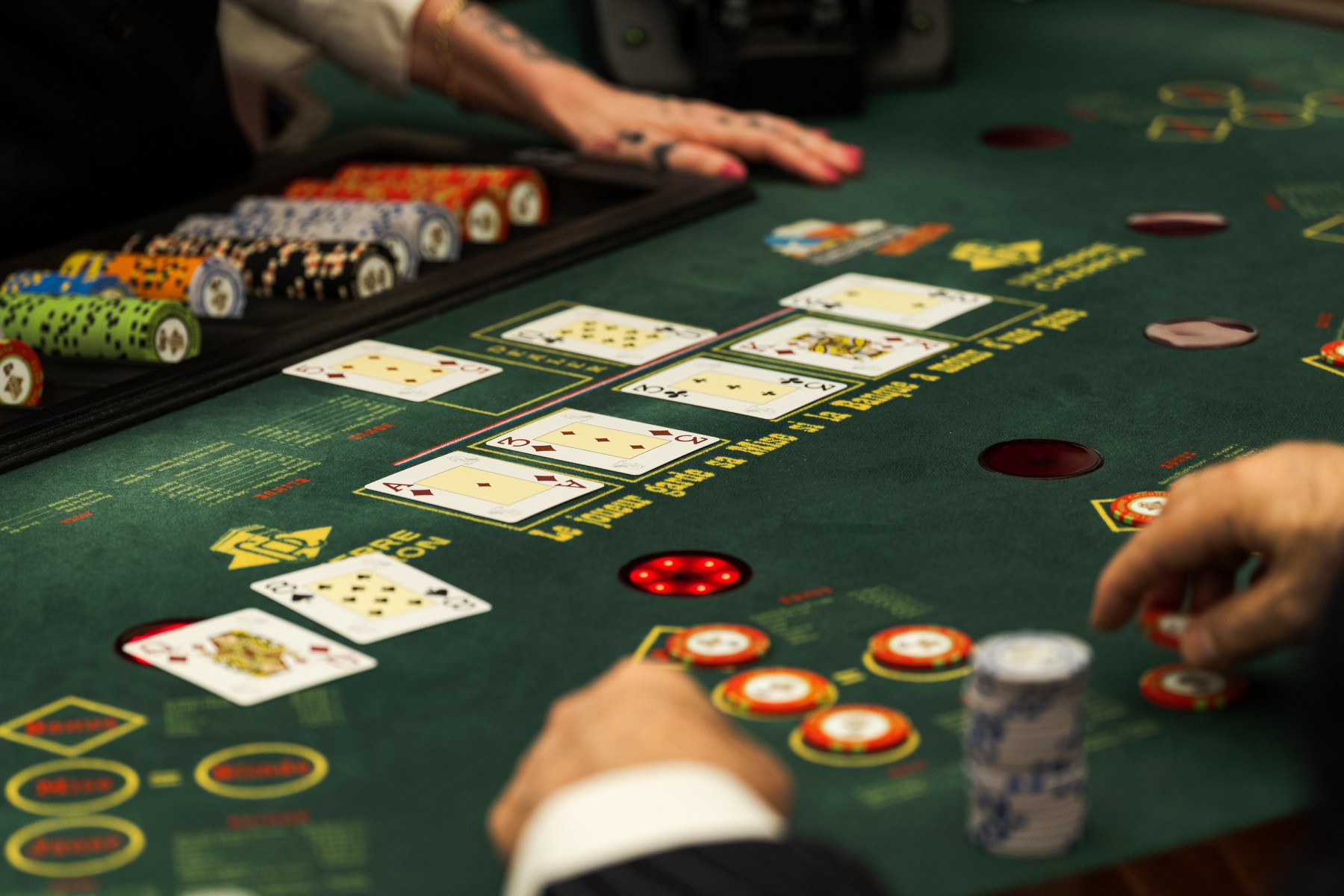
Furthermore, the social context of gambling, such as group settings or peer influence, can exacerbate its psychological effects. People may find themselves making decisions influenced by those around them, leading to a collective irrationality. This social aspect intertwines with personal cognitive processes, resulting in a unique psychological cocktail that influences decision-making.
The Role of Cognitive Biases in Gambling Decisions
Cognitive biases play a significant role in shaping how individuals approach gambling. Concepts like the illusion of control, where players believe they can influence outcomes, and the gambler’s fallacy, which leads them to think past results affect future odds, are prevalent in gambling scenarios. These biases often result in misguided confidence and poor decision-making, driving players to wager more than they should.
Moreover, the tendency to remember wins more vividly than losses creates a skewed perception of success. This selective memory can reinforce gambling behavior, encouraging individuals to make increasingly risky bets as they chase the elusive highs of their past victories. As a result, decision-making becomes less about rational analysis and more about emotional highs and lows.
The Emotional Rollercoaster of Gambling
The emotional experience of gambling can significantly influence decision-making processes. Players often navigate a spectrum of emotions, from excitement and hope to despair and regret. These fluctuating emotional states can lead to impulsive decisions, such as doubling down after a loss or continuing to play in the hopes of recovering previous losses.
Furthermore, the concept of “chasing losses” is a common pitfall among gamblers. When faced with financial setbacks, players may feel compelled to gamble more in an attempt to regain their lost money. This behavior not only deepens their financial woes but also perpetuates a cycle of poor decision-making rooted in emotional distress, rather than logical evaluation.
The Long-term Impacts of Gambling on Mental Health
The psychological ramifications of gambling extend far beyond immediate decision-making. Chronic gamblers often experience heightened levels of stress, anxiety, and depression, which can create a feedback loop affecting their ability to make sound choices. The pressure of financial strain and social stigma associated with gambling addiction can deteriorate mental health, further impairing cognitive functions and decision-making abilities.
As mental health deteriorates, individuals may isolate themselves from supportive networks, exacerbating feelings of loneliness and hopelessness. This isolation can lead to a vicious cycle where poor decision-making is compounded by a lack of social support, making it increasingly difficult to break free from the clutches of gambling.

Understanding Our Website and Its Resources
Our website is dedicated to exploring the multifaceted relationship between gambling and decision-making processes. We aim to provide insights into the psychological aspects of gambling, helping individuals understand their behaviors and the underlying factors influencing their choices. By offering articles, research summaries, and expert opinions, we strive to create a comprehensive resource for those seeking knowledge on this topic.
In addition, we emphasize the importance of mental health awareness in relation to gambling. Our platform serves as a supportive space for discussions, encouraging individuals to seek help and make informed decisions. By fostering a better understanding of the psychological impacts of gambling, we hope to empower individuals to take control of their decision-making processes and lead healthier lives.